Heating & Cooling Maintenance Plans
Spring and fall tune-ups that catch a failing part while it is still a forty-dollar part, plus priority scheduling during the first cold snap and the first heat wave.
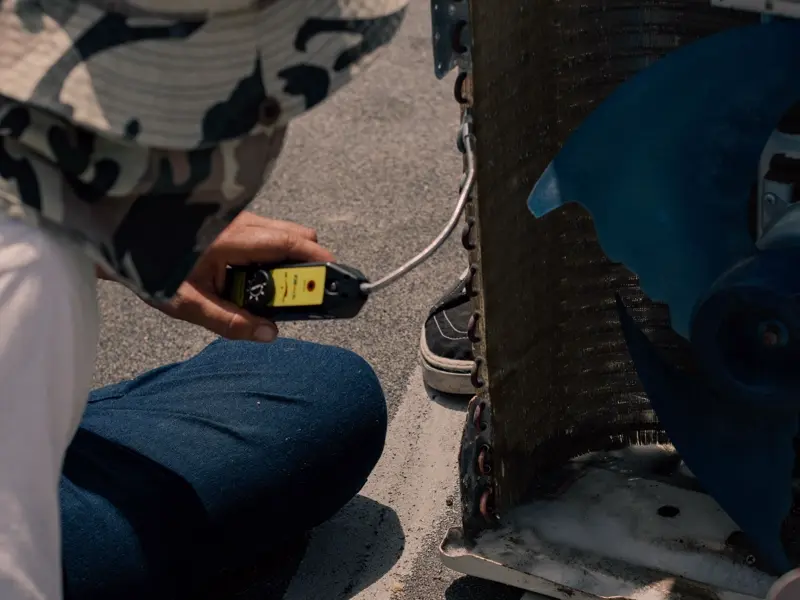
Almost every emergency no-heat or no-cool call we run traces back to a part that was already failing and nobody caught it. A maintenance plan is the least dramatic thing we sell and by a wide margin the most valuable: it turns a two-in-the-morning emergency call into a scheduled forty-dollar part replacement, caught months before it would have failed outright.
What a tune-up actually involves
A furnace tune-up in the fall includes a combustion safety test, a carbon monoxide check on the heat exchanger, cleaning or replacing the igniter and flame sensor as needed, checking gas pressure and burner flame pattern, testing all safety controls, and inspecting the venting for blockage or corrosion. On oil systems, the nozzle, filter, and cad cell get inspected the same visit.
An air conditioning tune-up in the spring includes checking refrigerant charge against manufacturer specification, cleaning the condenser coil, testing capacitor and contactor condition against a known-good range rather than waiting for outright failure, checking condensate drainage, and verifying airflow across the evaporator coil.
Both visits include a written summary of what was found, including anything trending toward failure that is not yet an emergency, so you can plan for it rather than be surprised by it.
Why parts fail predictably
A capacitor loses capacitance gradually over years before it fails outright, and it can be measured against its rated range to catch weakening before it stops the system. An igniter's resistance climbs as it approaches failure. A flame sensor accumulates a thin oxide coating that a technician can see and clean well before it causes ignition lockouts. None of this is guesswork. It is the same handful of measured checks, done twice a year, on the parts that fail most often.
What the plan includes
One furnace tune-up in the fall and one air conditioning tune-up in the spring, for a flat annual fee. Plan members get priority scheduling during the first genuine cold snap and the first real heat wave of the year, which matters more than it sounds: those are the two weeks a year every HVAC company in the county is booked out, and a plan member gets moved ahead of a first-time caller.
Plan members also receive a fifteen percent discount on any repair found during a tune-up or called in separately during the plan year, and the diagnostic fee is waived on any repair visit while the plan is active.
Who this is for
Any homeowner running a furnace, air conditioner, or heat pump older than about two years. Brand-new systems under manufacturer warranty still benefit, since many warranties require documented annual maintenance to stay valid, and a missed requirement is exactly the kind of thing that voids a warranty claim nobody realizes is conditional until they need it.
What it does not replace
A maintenance plan reduces emergency calls, it does not eliminate them. A part can still fail between visits, and plan members still call the 24-hour emergency line the same as anyone else, just with the priority scheduling and the waived diagnostic fee already built in.
Signing up
Call the shop or schedule a first tune-up online, and Renee will set up the plan during that visit rather than requiring a separate signup step. There is no long-term contract; the plan renews annually and either side can end it at renewal.