Furnace Repair & Installation
Diagnosis and repair for gas, oil and electric furnaces, and full replacement when a repair no longer makes sense, sized correctly for the house rather than guessed at.
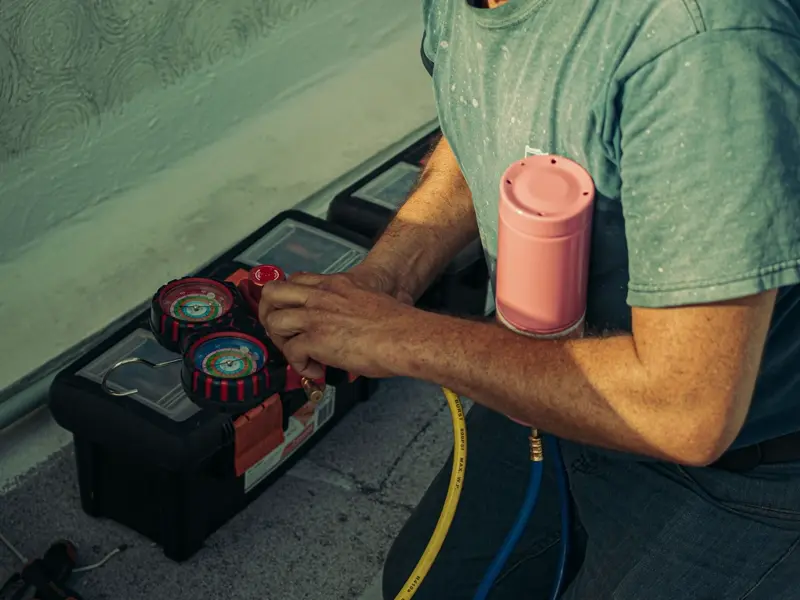
A furnace failure is rarely mysterious once someone actually opens the cabinet. It is usually one of a handful of parts, an ignitor, a flame sensor, a pressure switch, a blower motor, a control board, and the job of a diagnostic visit is finding out which one rather than guessing from the symptom over the phone. We test the failed component before we quote anything, which is the only way to know whether a repair actually makes sense.
What a diagnostic visit involves
A technician arrives with a multimeter, a manometer for gas pressure, and a combustion analyzer for anything burning fuel. Most no-heat calls take thirty to sixty minutes to diagnose. You get a plain-language explanation of what failed, not a part number, and a written price before any repair starts.
On oil systems specifically, we check the nozzle, the cad cell, and the filter before anything else, since a clogged filter or a bad nozzle produces symptoms that look identical to a failed igniter until someone actually checks.
When repair makes sense, and when it does not
A furnace under twelve to fifteen years old with a single failed component almost always gets a repair recommendation. Past that age, or facing a second major repair inside two years, we will walk you through the real math: the average cost of the repair against the likely remaining life of the unit and current efficiency losses. We are not trying to talk anyone into a system they do not need yet, and we say so plainly when a repair is the better call even though the margin on a replacement would be larger for us.
Installation, sized to the house
A replacement furnace gets a real Manual J load calculation based on square footage, insulation, window count and orientation, not a same-size swap of whatever was there before. An oversized furnace short cycles, wears out faster, and leaves the house less comfortable than a correctly sized one. An undersized one runs constantly and never quite catches up on the coldest days. Both are common mistakes from a fast swap-and-go install, and both are avoidable with twenty extra minutes of measuring.
Installation includes venting inspection, a combustion safety test on the finished system, and a walkthrough of the thermostat and filter location before the crew leaves. Gas furnace installs get a carbon monoxide test on every combustion appliance in the house, not just the new unit, since a backdrafting water heater is a separate and genuinely dangerous problem that a furnace-only inspection would miss.
Fuel types we work on
Gas, oil and electric furnaces, and the heat pump systems that have started replacing all three in newer construction around the county. Oil systems are common enough in older Steuben County housing stock that we keep oil-specific parts on the truck rather than special-ordering them, which is the difference between a same-day fix and a two-day wait in January.
How often to expect trouble
A furnace on an annual maintenance plan rarely fails without warning. Most of the emergency no-heat calls we run are on systems that have never had a fall tune-up, where a part that was flagged as failing during a maintenance visit would have been a scheduled forty-dollar fix instead of an emergency one. Detail on that plan is on the maintenance plans page.
If your furnace will not turn on tonight
Check the thermostat batteries and the furnace switch, which looks like a light switch and is usually mounted near the top of the basement stairs, before calling. Both get flipped or run down more often than people expect. If neither fixes it, call the emergency line rather than waiting until morning, especially with children or older adults in the house.